EVENT ABSTRACTS

Background: Red blood cell (RBC) transfusion is frequently used during cardiac surgery to maintain oxygen delivery and manage blood loss. However, increasing transfusion exposure has been associated with adverse postoperative outcomes, including prolonged intensive care unit (ICU) length of stay (LOS). This study investigated the association between intraoperative RBC transfusion and prolonged ICU LOS following routine adult cardiac surgery.
Methods: A retrospective single-centre observational study was conducted using prospectively collected audit data from 1,632 adults undergoing routine cardiac surgery at the Golden Jubilee National Hospital between May 2024 and April 2026. Patients were grouped according to intraoperative RBC transfusion exposure: 0 units, 1-2 units, or greater than/equal to 3 units. The primary outcome was prolonged ICU LOS, defined as greater than/equal to 72 hours. Binary logistic regression was used to estimate unadjusted and adjusted odds ratios for prolonged ICU LOS across transfusion groups.
Results: Of 1,632 patients, 1,431 received no intraoperative RBC transfusion, 167 received 1-2 units, and 34 received greater than/equal to3 units. Prolonged ICU LOS occurred in 10.6%, 24.6%, and 50.0% of patients, respectively (p<0.001). In unadjusted analysis, the odds of prolonged ICU LOS were higher in patients receiving 1-2 units (OR 2.76, 95% CI 1.85-4.05) and greater than/equal to3 units (OR 8.48, 95% CI 4.21-17.1) compared with no transfusion. After adjustment for clinically relevant patient and operative factors, RBC transfusion group remained independently associated with prolonged ICU LOS overall (p=0.026). The adjusted odds ratio was 1.51 (95% CI 0.93-2.41) for 1-2 units and 2.92 (95% CI 1.20-6.87) for greater than/equal to 3 units.
Conclusion: Increasing intraoperative RBC transfusion exposure was associated with progressively higher odds of prolonged ICU LOS, with the strongest evidence observed in patients receiving greater than/equal to 3 units. Causation cannot be established because of the retrospective design and residual confounding. These findings support careful transfusion decision-making and further evaluation of patient blood management strategies to reduce unnecessary transfusion exposure.
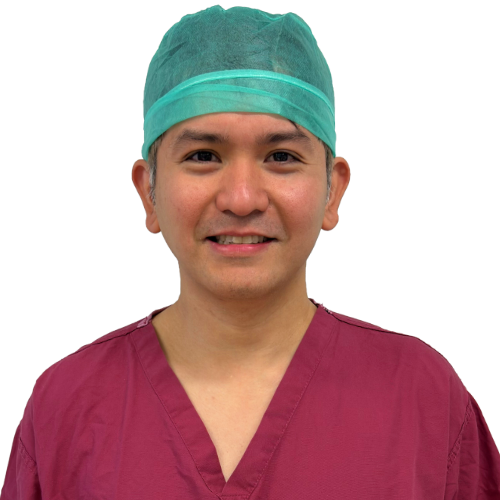
Matthew Donald is a recently qualified Clinical Perfusionist at the Golden Jubilee National Hospital in Glasgow, Scotland. Before pursuing a career in perfusion, Matthew worked as a Biomedical Scientist specialising in Haematology and Blood Transfusion. Matthew’s background in transfusion science inspired his MSc dissertation, investigating the association between intraoperative red blood cell transfusion and prolonged ICU stay following cardiac surgery. Matthew’s professional interests include patient blood management, blood conservation and improving outcomes following cardiac surgery.